Therapy for Neurodivergent Families

I’m an experienced family therapist who has worked with a wide range of families for over 30 years. Since 2013 I started specialising in working with adoptive families where children often present with neurodivergent behaviours and emotional self-regulation difficulties.
ecotheraapy side images (227 x 227 px) (1)

These difficulties are common in many other families and are linked to genetic reasons e.g parents or family members carry these neurodivergent aspects as well environmental factors such as early trauma, abuse and neglect, family attachment disruptions and significant losses and grief.

These difficulties may present in children (and adults) as hyperactivity, autism, hypervigilance, anxiety, depression, intense emotions such as anger and rage, emotional meltdowns, sensory overwhelm, sensitivity to noise, demand avoidance, relational difficulties with peers and authority figures eg teachers and parents.

These difficulties make the parenting task particularly challenging and emotionally exhausting especially if parents themselves are also neurodivergent. In some cases children and young people become worried about their parents and carers and may take a caring role creating emotional co-dependency. This may further impact of young people’s ability to pursue independence and their own life goals.

The key for making things better in neurodivergent families is to create a calm environment, reduce stress and offer emotional co-regulation of the nervous system eg adults to develop self-regulation skills so that they can regulate their children’s emotions and teach them to do the same.

Family therapy can be useful as it can offer a specific focus on improving family relationships and developing an understanding of therapeutic parenting and the ability to reduce the level of stress and the confidence to respond therapeutically to emotionally demanding situations.

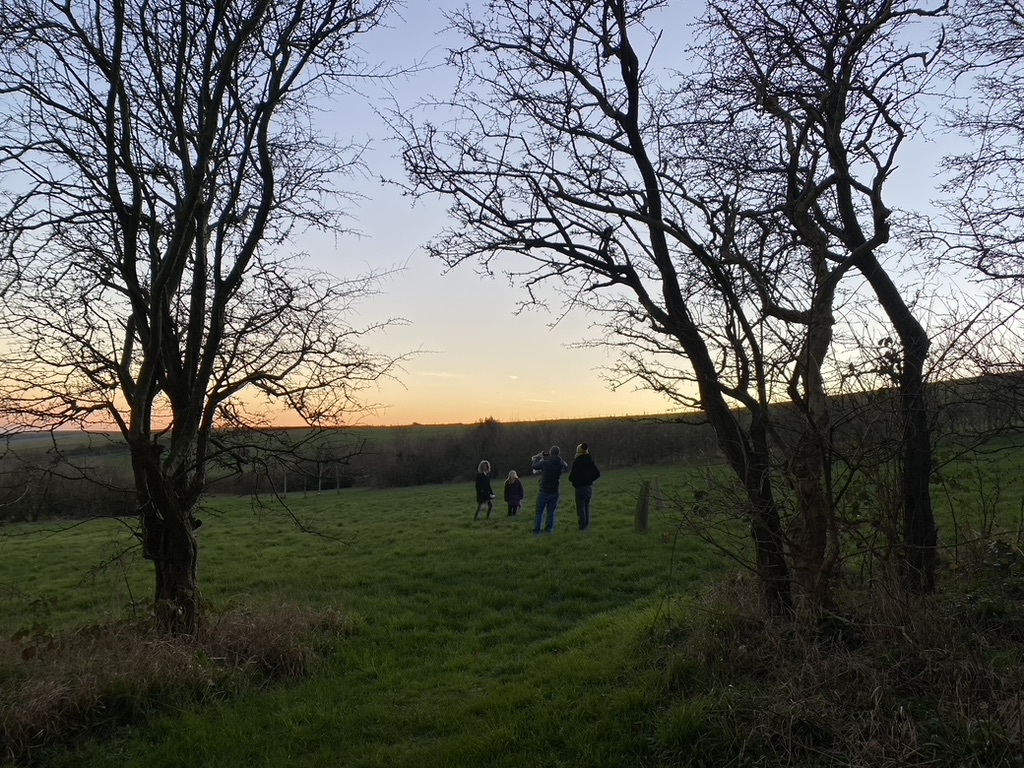
In my experience doing therapy outdoors can offer a less intimidating and a more regulating environment where the focus is less on talking and more on walking, making art, becoming explorers of the natural world. This helps children and adults to feel calmer, more grounded, relaxed, emotionally regulated and more comfortable in engaging in conversations.

Ecotherapy can be as effective as other forms of therapy if offered by a clinically trained therapist who can maximise their therapeutic skills with the healing power of nature.


EcoTherapy for neurodivergent families


green circle with hands
Walk and talk

Walk and talk through the natural landscape. Spending more time outdoors and less on screens is the best investment for our children and young people’s mental health in the future as nature can help regulate our nervous system.

yellow circle with hands (2)
Mindfulness

Ecotherapy can help us all reconnect with our biological blueprint as part of nature rather than separate from. Ecotherapy can also address eco anxiety as the younger generations in particular worry about their future and the planet and how our busy and stressful lives can generate unbearable pressure, anxiety about the future.


purple circle with hands
Family Talks

A more sustainable family life and commitment to reconnecting with nature are key aims of ecotherapy to allow each family to develop their own way of being a family, nurture thriving relationships and focus on growing the qualities and the skills to walk into a better future.